Savings Through Innovation
The Model School Program seeks to effectively adapt and re-use the design of successful, recently constructed Pre-K through 12th grade schools. Model Schools are efficient in design and easy to maintain, contain optimal classroom and science lab space, can easily accommodate higher or lower enrollments, incorporate sustainable, "green" design elements when possible and are flexible in educational programming spaces while encouraging community use.
Goals of the MSBA’s Model School Program
- Maximize value of existing, proven school designs and best practices
- Encourage schools that reflect enduring and educationally sound designs
- Allow for compressed project schedules and accelerated construction start times, thus reducing uncertainty of inflation in construction and project cost
- Shorten and streamline the design process to reduce design fees
- Enhance predictability of project costs and performance resulting in improved quality control and reduced change orders
- Provide opportunity for districts to experience the model before selecting a design
Model School Selection Criteria
- Adaptability to other sites, design enrollment, and varying educational programs
- Flexibility for multiple and/or future uses
- Differentiated learning spaces and student and teacher collaboration areas
- General conformance to MSBA guidelines
- Energy efficiency and sustainable design elements
Board-approved Model Schools
The table below includes the current Board-approved Model School designs as of October 2023. Please note the next procurement is anticipated to occur in the spring of 2026.
| District | School | Designer |
| Andover | Bancroft Elementary School | Symmes Maini & McKee Associates |
| Athol | Athol Community Elementary School | Mount Vernon Group Architects, Inc. |
| Burlington | Memorial Elementary School | Knight, Bagge & Anderson, Inc. |
| Dedham | Dr. Thomas J. Curran Early Childhood Education Center | Raymond Design Associates, Inc |
| Grafton | Grafton High School | Symmes Maini & McKee Associates |
| Hanover | Hanover High School | HMFH Architects |
| Lexington | Joseph Estabrook Elementary School | DiNisco Design Partnership |
| Maria Hastings Elementary School | DiNisco Design, Inc | |
| Lynn | Thurgood Marshall Middle School | Raymond Design Associates, Inc. |
| Ludlow | Harris Brook Elementary School | Mount Vernon Group Architects, Inc. |
| Marblehead | Lucretia and Joseph Brown Elementary School | Raymond Design Associates, Inc. |
| Marlborough | Goodnow Brothers Elementary School | Mount Vernon Group Architects, Inc. |
| Millbury | Raymond E. Shaw Elementary School | Turowski2 Architecture, Inc. |
| Monomoy | Monomoy Regional High School | Mount Vernon Group Architects, Inc. |
| New Bedford | Irwin M. Jacobs Elementary School | Turowski2 Architecture, Inc. |
| Lincoln Elementary School | Mount Vernon Group Architects, Inc. | |
| Norfolk | Freeman-Kennedy Elementary School | Flansburgh Architects |
| North Middlesex Regional School District | North Middlesex Regional High School | Symmes Maini & McKee Associates |
| Shrewsbury | Major Howard W. Beal Elementary School | Lamoureux Pagano & Associates, Inc. |
| Sherwood Middle School | Lamoureux Pagano & Associates, Inc. | |
| South Hadley | Plains Elementary School | Jones Whitsett Architects, Inc |
| Taunton | James L. Mulcahey Elementary School | Dore & Whittier Architects, Inc |
| Uxbridge | Uxbridge High School | Raymond Design Associates, Inc. |
| Wareham | Wareham Elementary School | Mount Vernon Group Architects, Inc. |
| West Bridgewater | West Bridgewater Middle/High School | Flansburgh Architects |
| Woburn | Hurld-Wyman Elementary School | DiNisco Design, Inc |
Districts who have participated in the Model School Program
| District | School | Designer | Model Based On |
| Douglas | Douglas Elementary School | DiNisco Design Partnership | Winthrop- Fort Banks Elementary School |
| Duxbury | Duxbury Middle/High School | Mount Vernon Group Architects, Inc | Ashland High School |
| East Bridgewater | East Bridgewater High School | Ai3 Architects LLC. | Whitman- Hanson Regional High School |
| Fairhaven | Leroy Wood Elementary School | HMFH Architects | Fairhaven- East Fairhaven Elementary School |
| Franklin | Franklin High School | Ai3 Architects LLC. | Whitman- Hanson Regional High School |
| Hampden-Wilbraham Regional School District | Minnechaug High School | Mount Vernon Group Architects, Inc | Ashland High School |
| Hingham | Hingham Middle School | Ai3 Architects LLC. | Whitman- Hanson Regional High School |
| Holyoke | William R. Peck Middle School | Mount Vernon Group Architects, Inc. | Athol Community School |
| Marlborough | Goodnow Brothers Elementary School | Mount Vernon Group Architects, Inc. | New Bedford - Lincoln Elementary School |
| Marshfield | Marshfield High School | Ai3 Architects LLC. | Whitman- Hanson Regional High School |
| Monomoy | Monomoy Regional High School | Mount Vernon Group Architects, Inc | Ashland High School |
| Natick | Natick High School | Ai3 Architects LLC. | Whitman- Hanson Regional High School |
| Newburyport | Bresnahan Elementary School | HMFH Architects | Fairhaven- East Fairhaven Elementary School |
| Norwood | Norwood High School | Ai3 Architects LLC. | Whitman- Hanson Regional High School |
| Plymouth | Plymouth North High School | Ai3 Architects LLC. | Whitman- Hanson Regional High School |
| Quincy | Quincy Middle School | Ai3 Architects LLC. | Lynnfield Middle School |
| Somerset-Berkley | Somerset-Berkley Regional High School | Ai3 Architects LLC. | Whitman- Hanson Regional High School |
| Tewksbury | Tewksbury Memorial High School | Symmes Maini & McKee Associates | Hudson High School |
| West Springfield | West Springfield High School | Symmes Maini & McKee Associates | Hudson High School |
| Westfield | Abner Gibbs Elementary School | Jones Whitsett Architects, Inc. | Williamstown Elementary School |
The below chart shows the applicable enrollment ranges that each model can support.
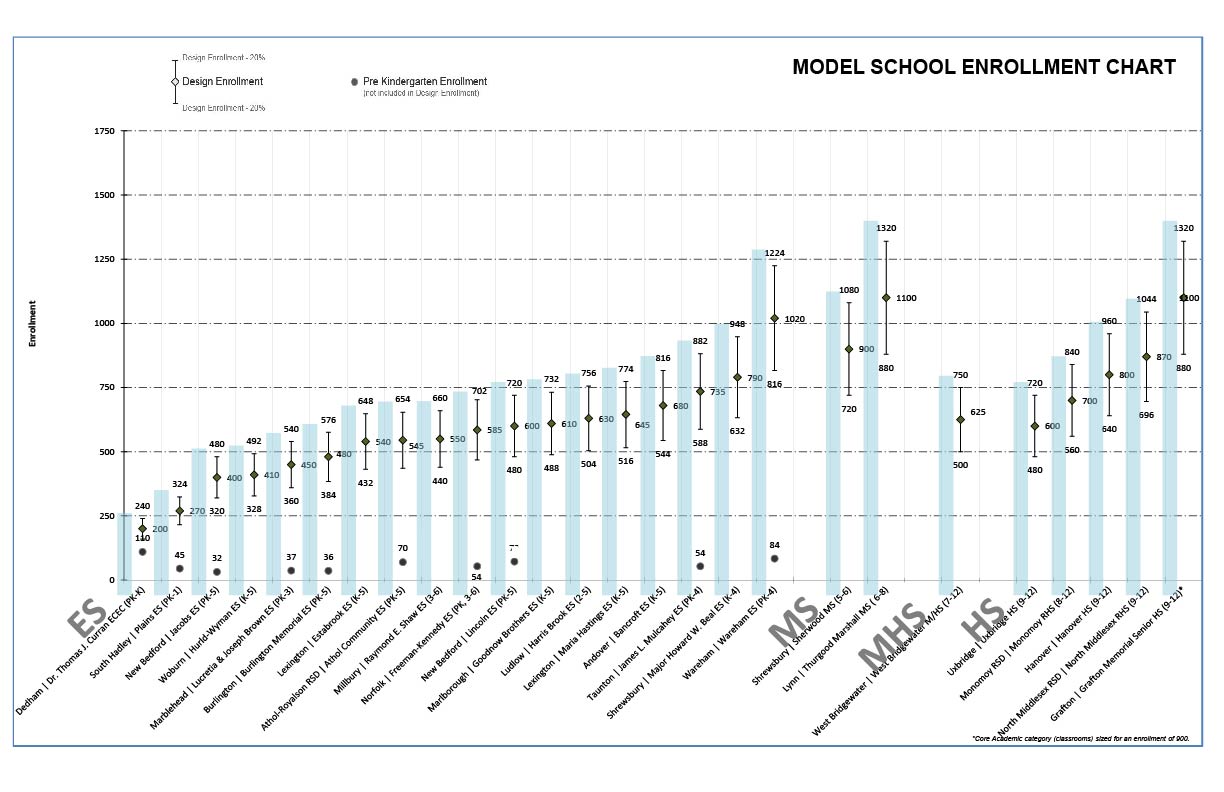
Board-Approved Model Schools
Bancroft Elementary School, Andover
Designed by Symmes, Maini & McKee Associates
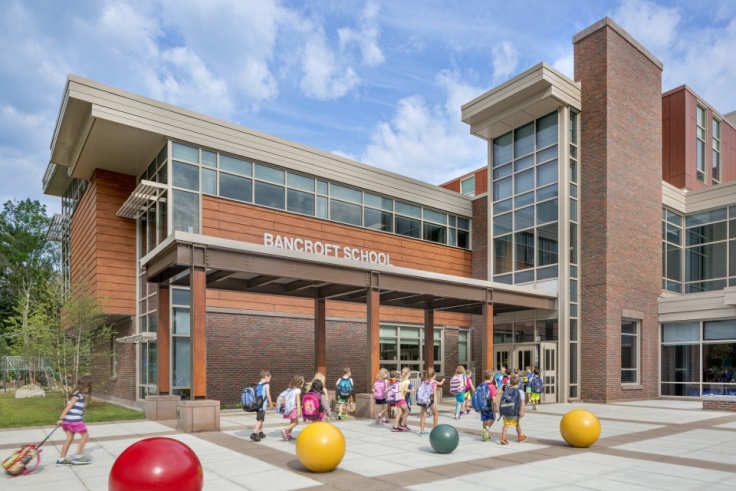
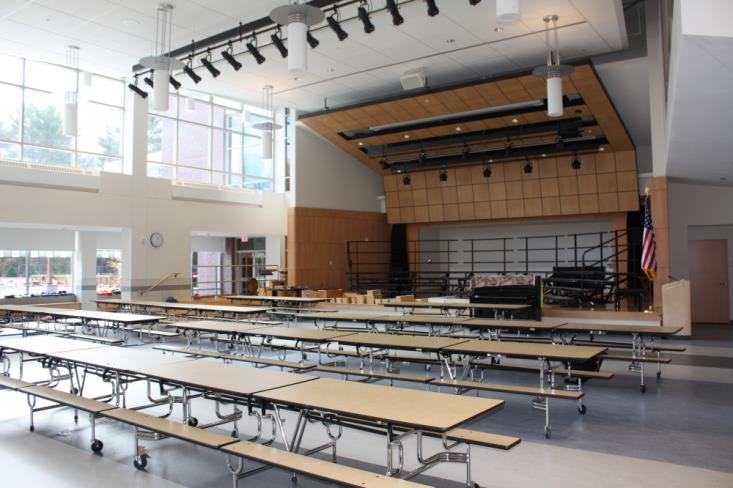
The Bancroft Elementary School in Andover is designed for 680 students in Kindergarten through grade five. This building has a compact footprint with no basement on a flat site, making it easy to adapt to other locations. The compact design also contributes to good security and visibility throughout the building. The building is designed with dedicated space for differentiated learning and areas that could easily expand for more classrooms. The assembly spaces are also designed with flexibility in mind. Additionally, the school is designed to provide high performance energy efficiency.
Athol Community Elementary School, Athol-Royalston Regional School District
Designed by Mount Vernon Group Architects, Inc.
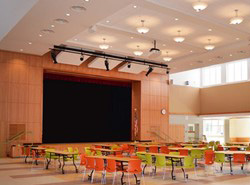
The Athol Community Elementary School in the Athol-Royalston Regional School District is designed for 545 students in Kindergarten through grade 4 and also includes Pre-Kindergarten. The design is an adaptation of the Lincoln Elementary School model and has demonstrated the ability to adapt to a different educational program and site. The building features a compact design as well as flexible learning and assembly spaces.
Burlington Memorial Elementary School, Burlington
Designed by Knight, Bagge & Anderson, Inc.
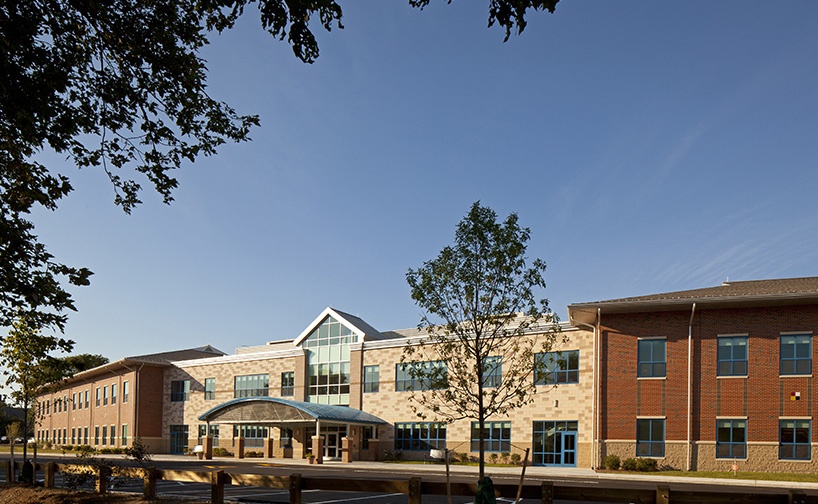
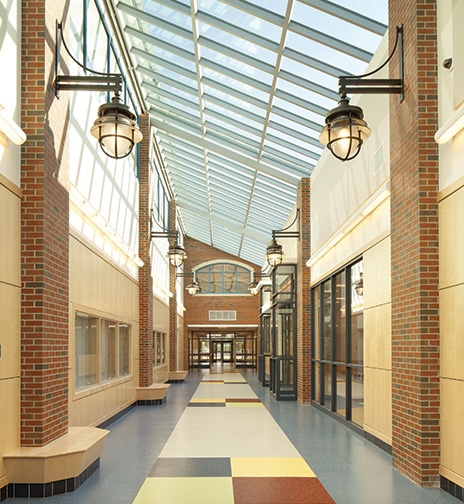
The Burlington Memorial Elementary School was designed for an enrollment of 480 students in Pre-Kindergarten through 5 grades. The layout of the school provides clear and well-lit circulation. The gym and cafeteria are designed in a way that they can easily be adjusted for modification in the enrollment. The addition or subtraction of classrooms on the wings of the building would also be adaptable to adjustment. The classrooms are interchangeable to various functions and all have sinks. The simple, cost-effective design is for a flat site, making it easily adaptable to other locations.
Dr. Thomas J. Curran Early Childhood Education Center, Dedham
Designed by Raymond Design Associates, Inc.
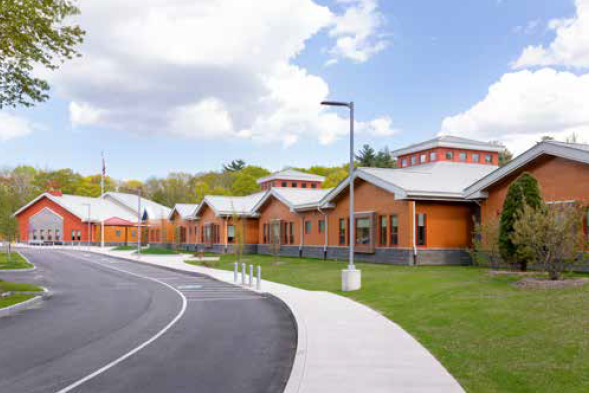
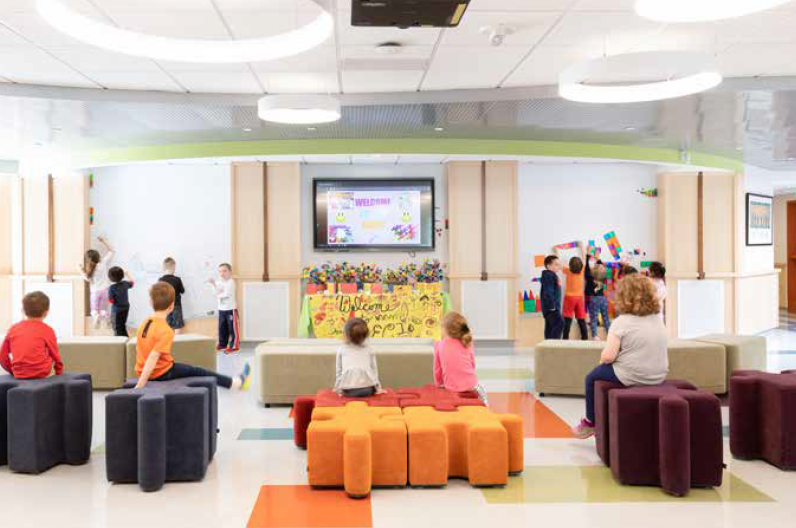
The Dr. Thomas J. Curran Early Childhood Education Center in Dedham is designed for 200 students in Kindergarten in addition to Pre-Kindergarten. It features a compact footprint as well as flexible learning and assembly spaces. The design is easily adaptable to flat sites and includes classroom pods that offer a welcoming environment for young learners and could be adapted beyond the existing PK-K grade configuration.
Grafton High School, Grafton
Designed by Symmes, Maini & McKee Associates
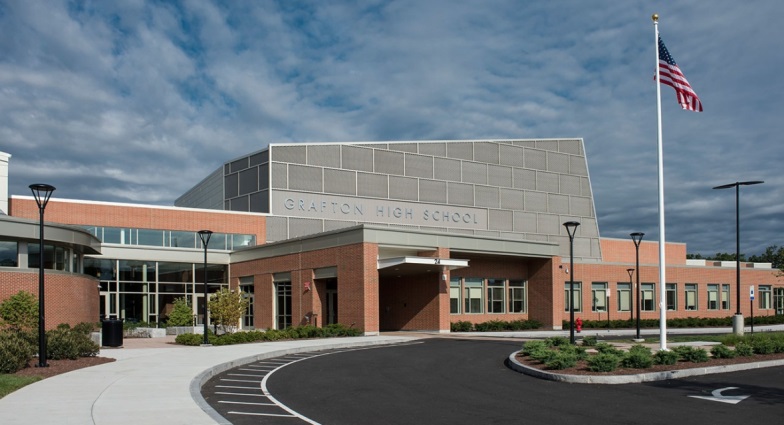
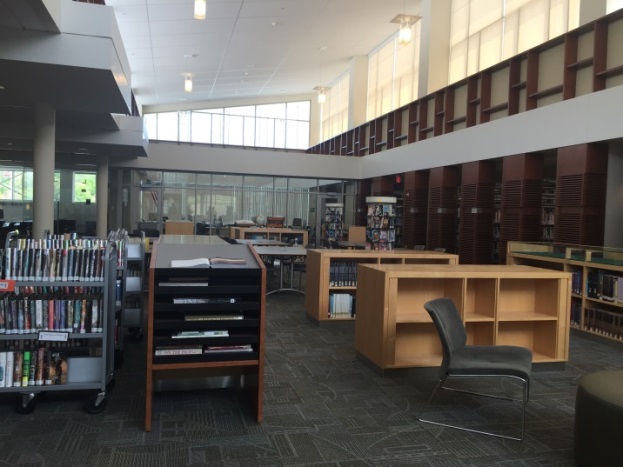
The Grafton High School serves students from 9-12, and is designed for 900 students, with the core areas being designed for 1100 students. The design is compact and on a flat site, making adaptations to other locations simple. Classrooms are organized into departmental pods. These pods also support large and small group instruction well. The building design allows for the classroom wings to be locked off for after school functions.
Hanover High School, Hanover
Designed by HMFH Architects
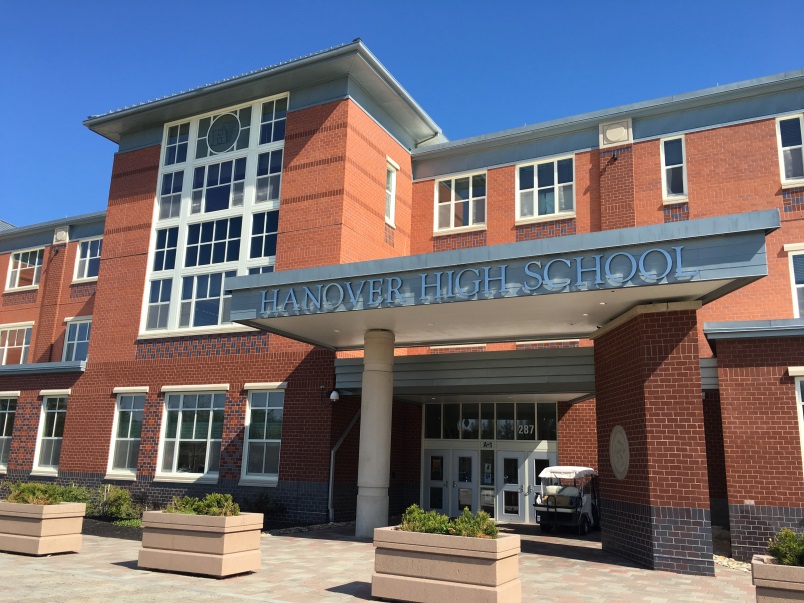
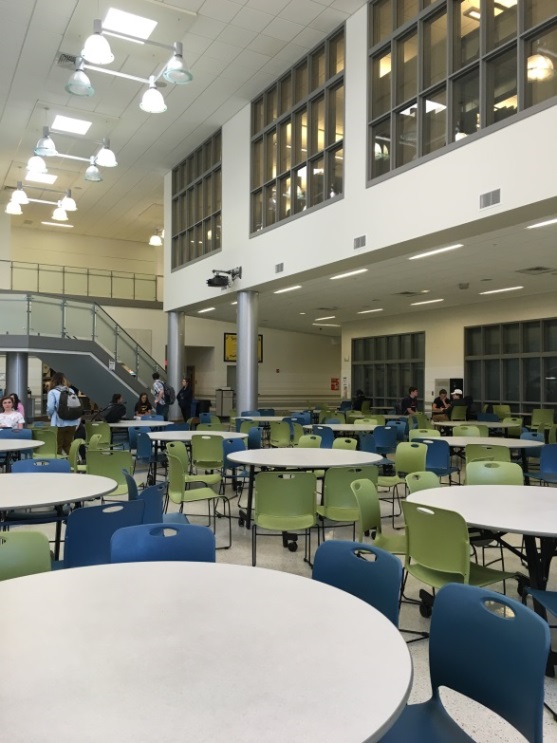
Hanover High School was designed to serve 800 students in grade 9-12. This building has an efficient design on a flat site for maximum flexibility. The pod style classroom configuration can be adapted to a wide variety of educational plans and methods. In addition, a multipurpose room increases the flexibility of the school. The building design allows for the classroom wings to be locked off for after school functions.
Joseph Estabrook Elementary School, Lexington
Designed by DiNisco Design Partnership
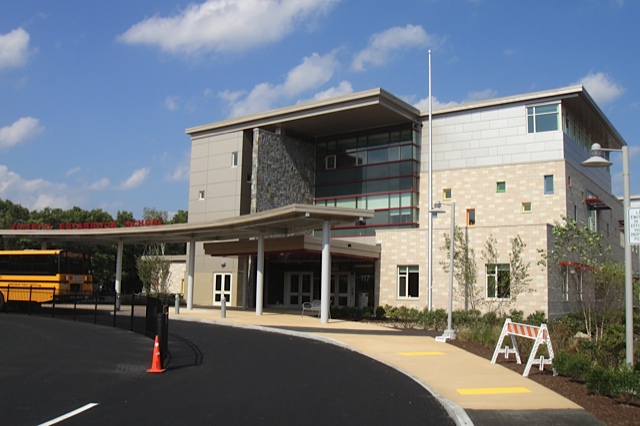
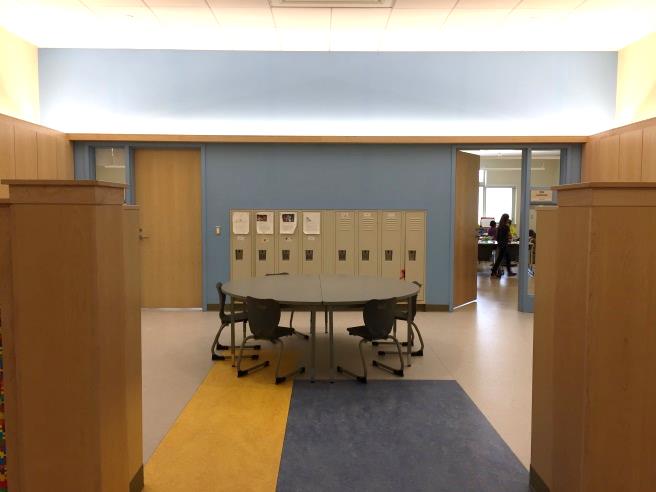
The Joseph Estabrook Elementary School in Lexington, Massachusetts is designed for 540 students serving grades kindergarten through 5th grade. The school was designed for a flat site and incorporates elements such as low maintenance materials and energy efficiency. The building’s compact design ensures maximum adaptability across a variety of different site conditions. Flexible learning spaces accommodate various educational plans. The school has multiple dedicated spaces for differentiated learning, a flexible assembly area that combines a music room and cafeteria, sinks in all of the classrooms, and benefits from quiet gym acoustics. The Joseph Estabrook Elementary School takes advantage of natural daylight and provides ample storage space within the efficient building design.
Maria Hastings Elementary School, Lexington
Designed by DiNisco Design, Inc.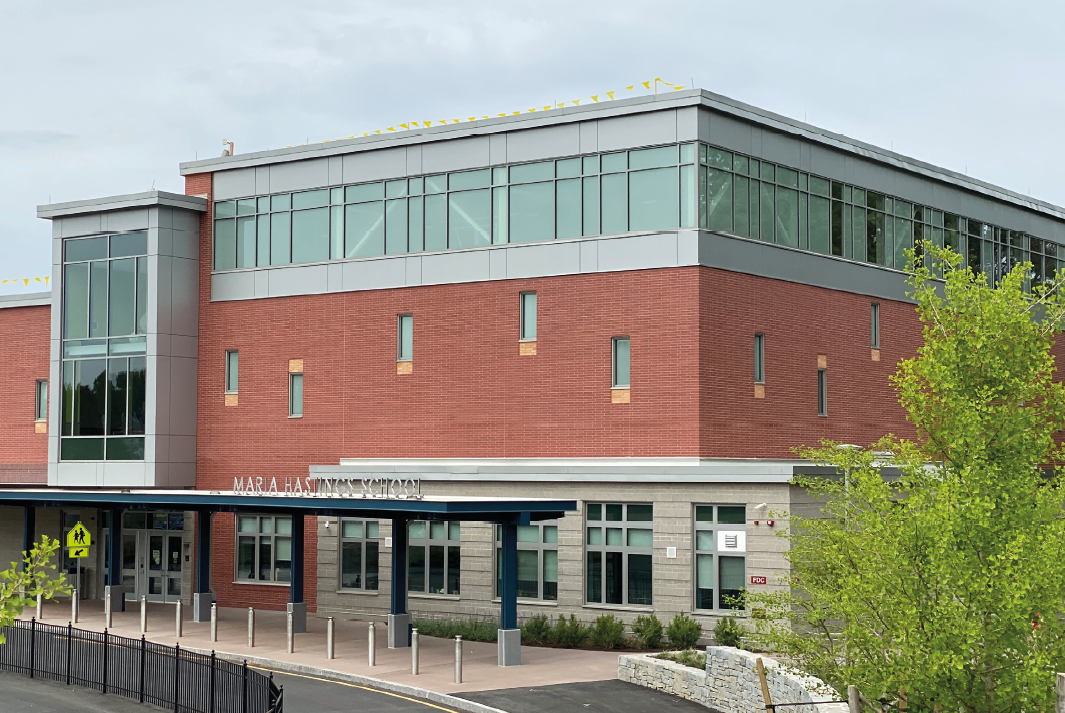
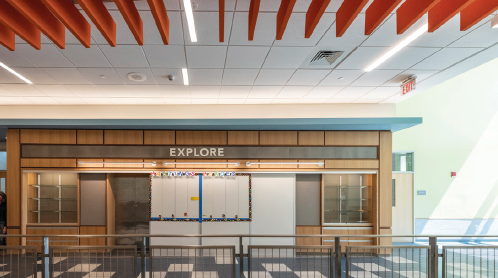
The Maria Hastings Elementary School in Lexington serves grades K-5 and is designed for 645 students. The design is adaptable to varying site topography and includes a variety of differentiated learning spaces to accommodate varied educational programming. The school also offers integrated storage solutions within the efficient building design.
Thurgood Marshall Middle School, Lynn
Designed by Raymond Design Associates, Inc.
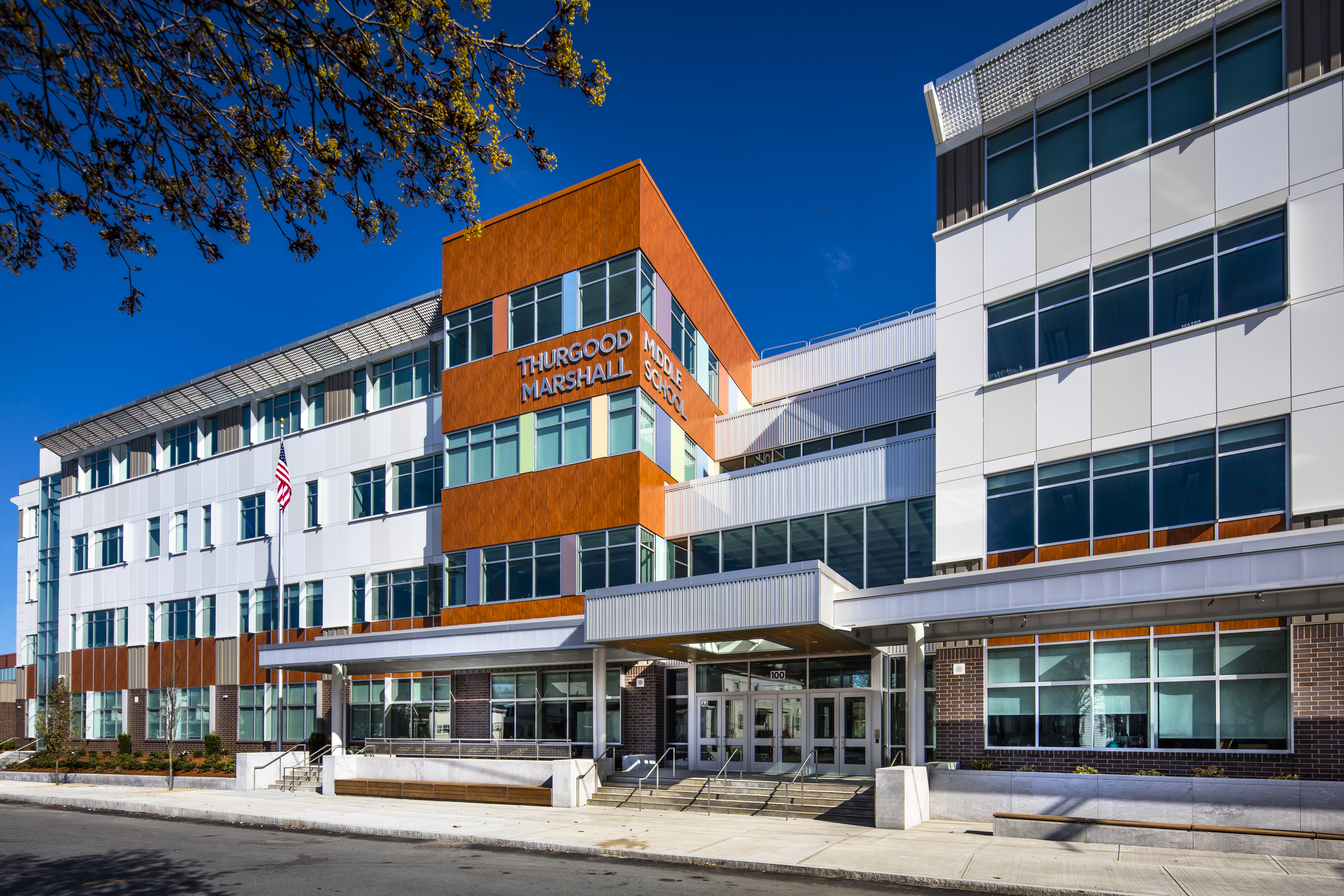
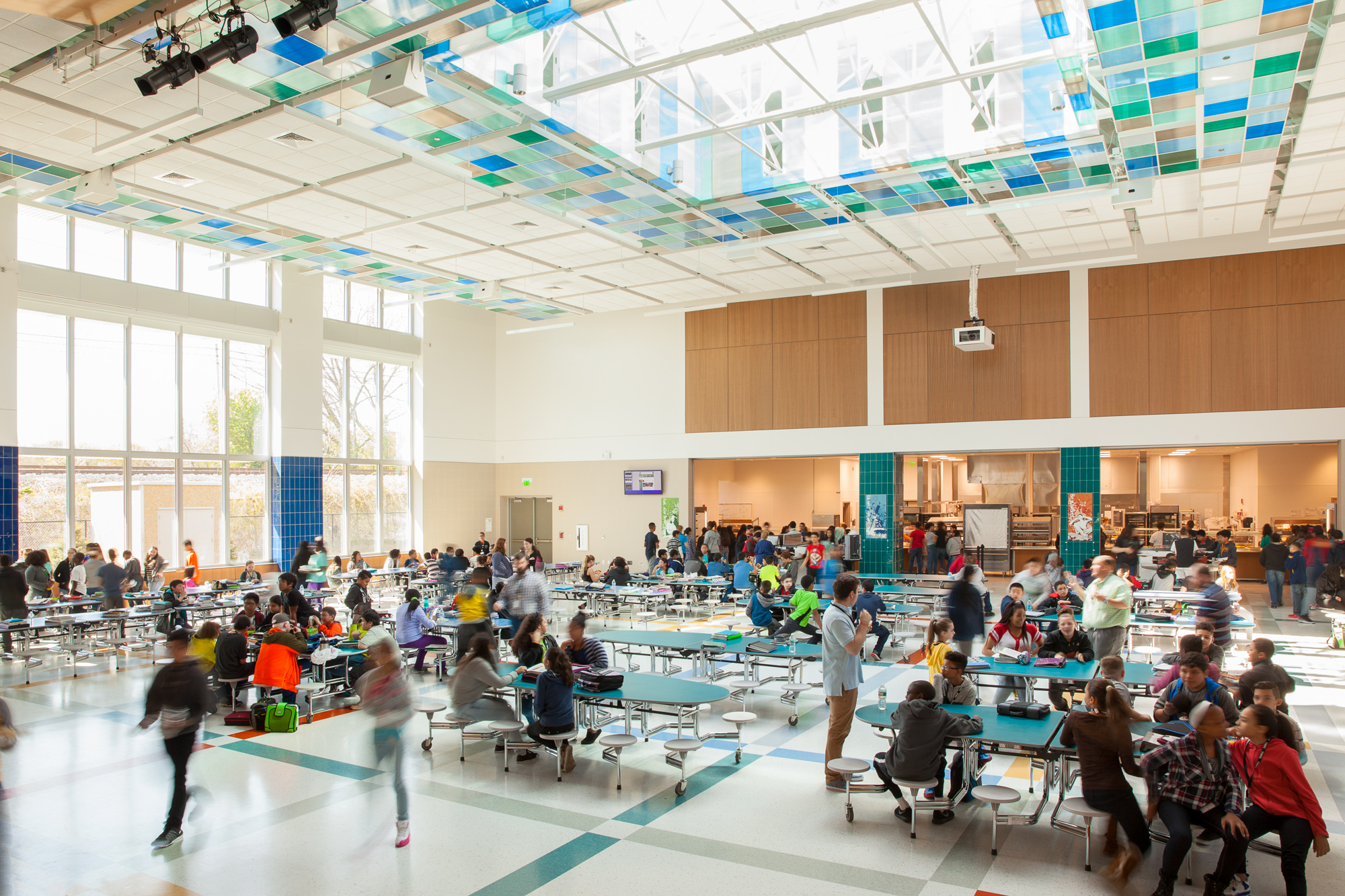
Thurgood Marshall Middle School is a 6-8 middle school designed for 1,100 students. This school features tall ceiling heights with a very welcoming feel, appropriate and effective use of color, and is high performing LEED Gold. The pod arrangement successfully breaks down the scale of such a large middle school, reducing the feeling of anonymity for the students. The building also includes good public and private separation with an unique double sided platform between the gym and cafeteria.
Harris Brook Elementary School, Ludlow
Designed by Mount Vernon Group Architects, Inc.


The Harris Brook Elementary School in Ludlow is designed for 630 students in grades 2-5. The design includes a variety of differentiated learning spaces to accommodate specialized instruction. The school also incorporates sustainable design features and offers ample storage within the efficient building design.
Lucretia and Joseph Brown Elementary School, Marblehead
Designed by Raymond Design Associates, Inc.
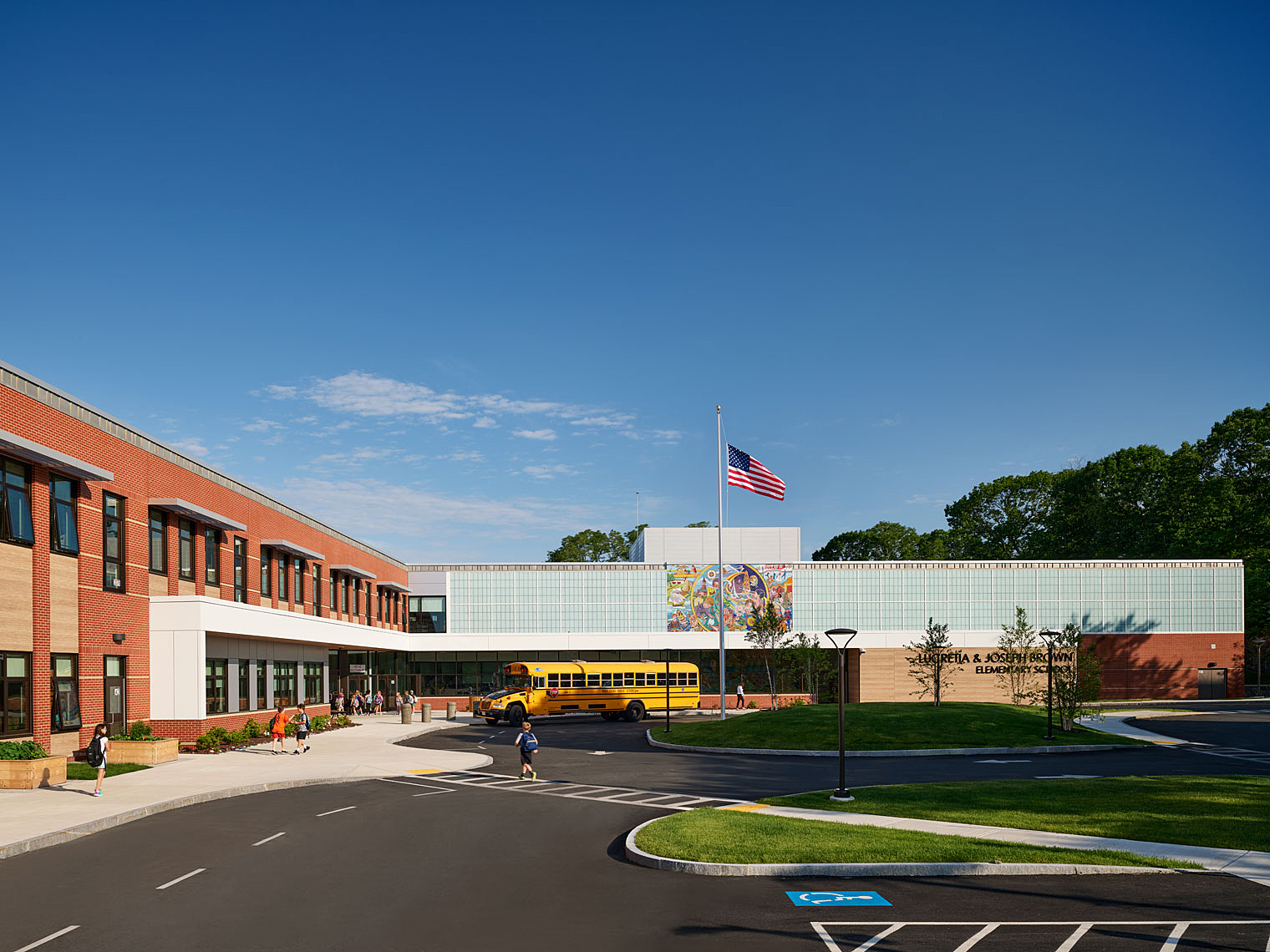

The Lucretia and Joseph Brown Elementary School in Marblehead is designed for 450 students in grades K-3 and includes Pre-Kindergarten. The compact design is adaptable to variations in educational programming and offers learning spaces for differentiated instruction as well as an STE space and flexible assembly spaces. The building is also a good model for sloping sites.
Goodnow Brothers Elementary School, Marlborough
Designed by Mount Vernon Group Architects, Inc.
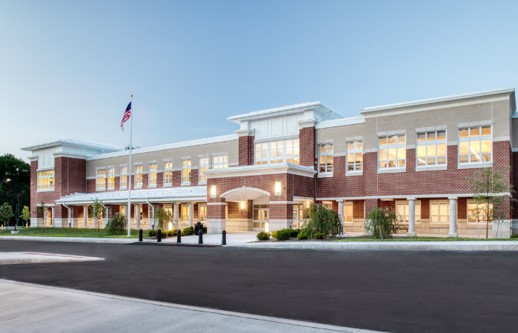
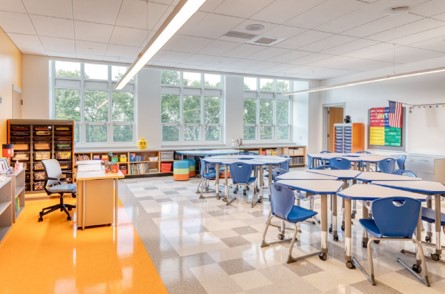
The Goodnow Brothers Elementary School in Marlborough is designed for 610 students in Kindergarten through grade 5 and includes Pre-Kindergarten. The design is an adaptation of the Lincoln Elementary School model and has demonstrated the ability to adapt to different educational programs and sites. The building features a compact design, a central courtyard, as well as flexible learning and assembly spaces.
Raymond E. Shaw Elementary School, Millbury
Designed by Turowski2 Architecture, Inc.
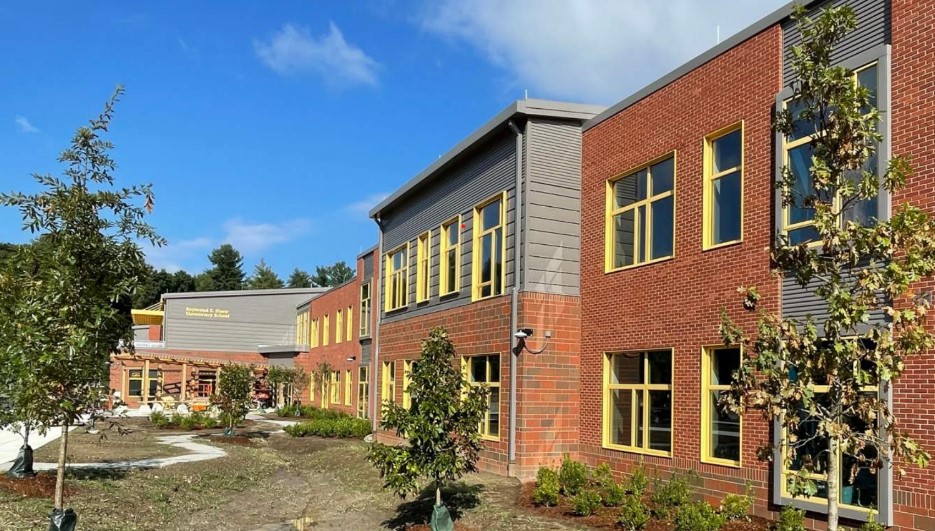
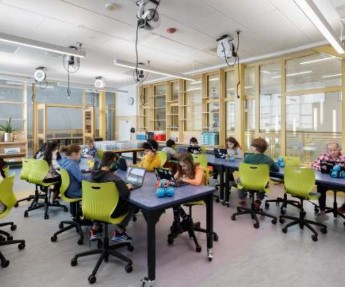
The Raymond E. Shaw Elementary School in Millbury is designed for 550 students in grades 3-6. This school is designed to provide high performance energy efficiency and is adaptable to other sites. The design also offers an outdoor classroom, abundant natural light, varied flexible spaces and a front porch in each grade’s neighborhood.
Monomoy Regional High School, Harwich
Designed by Mount Veron Group Architects
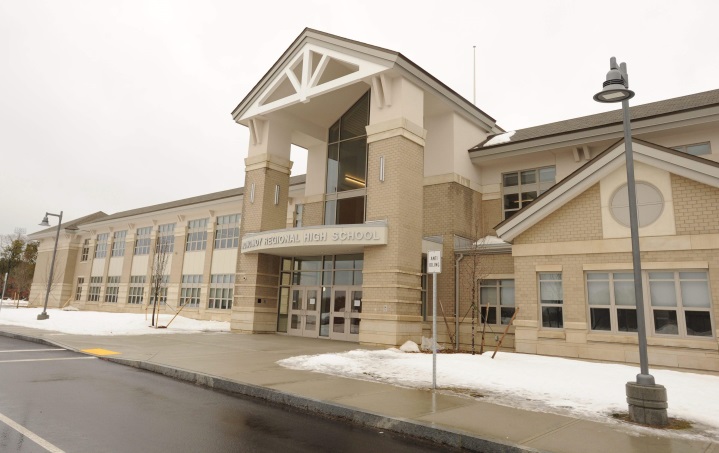
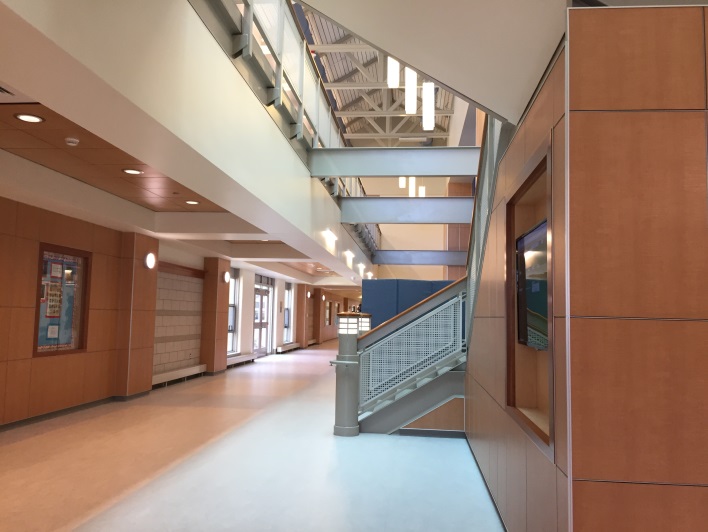
The Monomoy Regional High School in Harwich, Massachusetts is designed for 700 students in grades 8-12. This school is unique in the sense that it is not only a current model school, but it was also based on the Ashland High School model – a proven design that has stood the test of time. Featuring a "main street" central corridor, this school maintains a compact design on a flat site, verifying its adaptability to other site conditions. The school has ample natural daylight in the classrooms and quiet acoustics throughout the building. The academic rooms are spacious and changeable. The breakout areas between classrooms are the size of a regular classroom and flexible, allowing for future expansion if more classrooms are needed.
Irwin M. Jacobs Elementary School, New Bedford
Designed by Turowski2 Architecture, Inc.
The Irwin M. Jacobs Elementary School in New Bedford serves students in Pre-Kindergarten through grade 5 with a design enrollment of 400 students for Kindergarten through grade 5. It features a compact footprint that may be adaptable to other constrained urban sites in addition to ample natural light and flexible spaces such as front porch style extended learning areas and reading nooks.
Lincoln Elementary School, New Bedford
Designed by Mount Vernon Group Architects
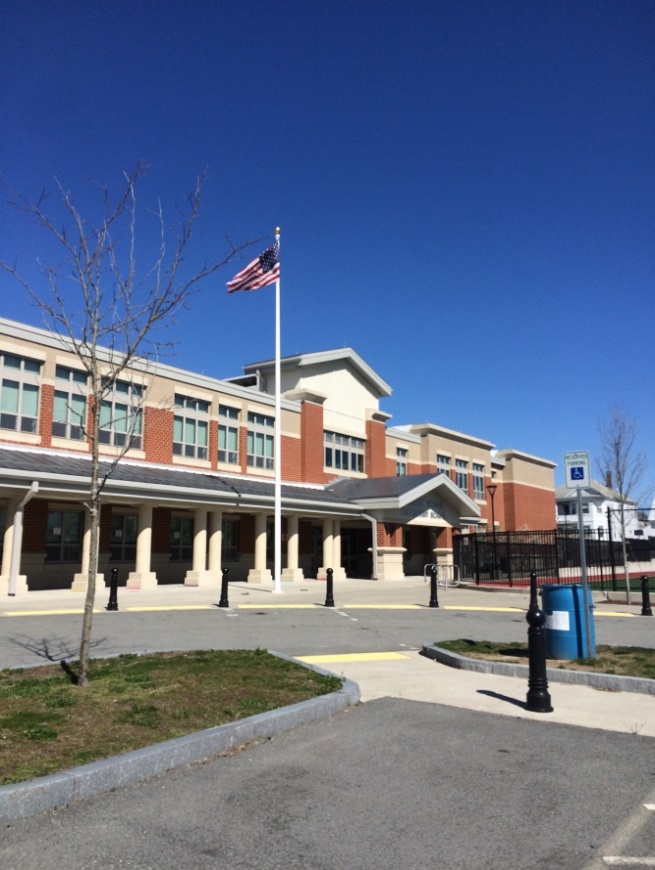
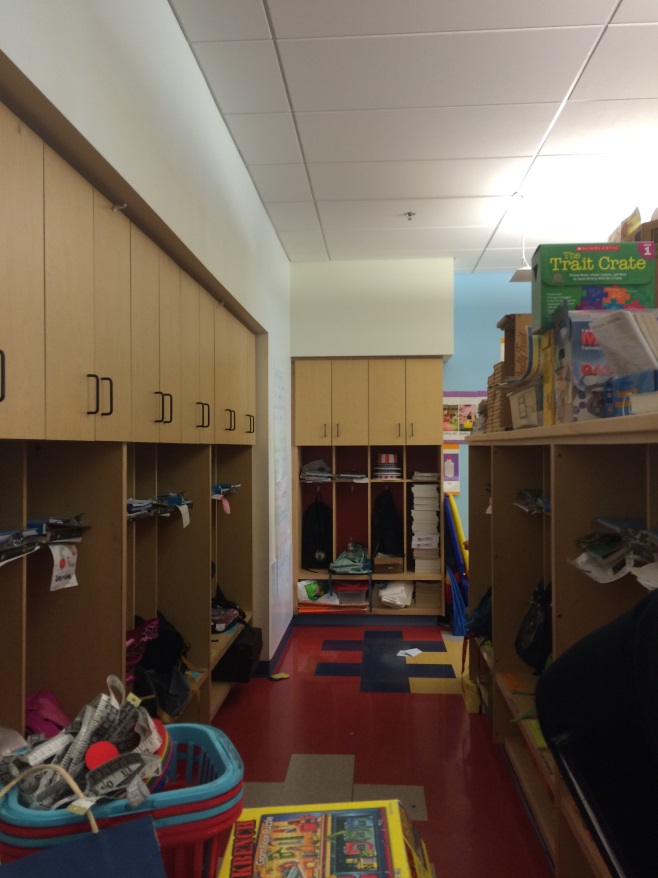
The Lincoln Elementary School in New Bedford, Massachusetts is designed for 600 students in Pre-Kindergarten through grade 5. Located on a small urban site, the large school is compact in design and adapts to other compact sites. The assembly space is designed so that it can open to both the cafeteria and the gym for large gatherings and provide good flexibility. The school is built with a regular grid and adding or subtracting bays is a simple modification to adjust to differing enrollments.
Freeman-Kennedy Elementary School, Norfolk
Designed by Flansburgh Architects
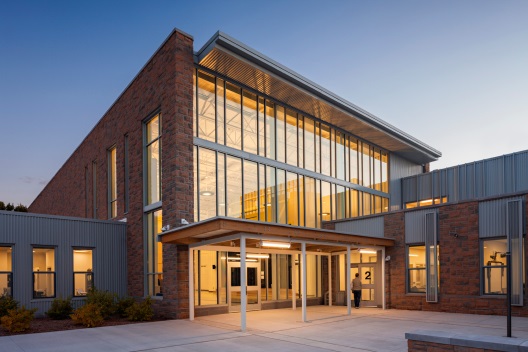
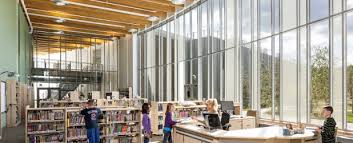
The Freeman-Kennedy Elementary School in Norfolk is designed for an enrollment of 585 students in grades 3-6 with a Pre-Kindergarten area. The layout of the school allows for easy adjustment for enrollment modifications. The classroom wings can simply extend or retract, and the café and gym have exterior walls that could be moved in or out to adjust to varying enrollments. Each cluster of classrooms has space for differentiated learning and break out space. The material choice and many exposed systems are cost effective.
North Middlesex Regional High School, North Middlesex Regional School District
Designed by SMMA
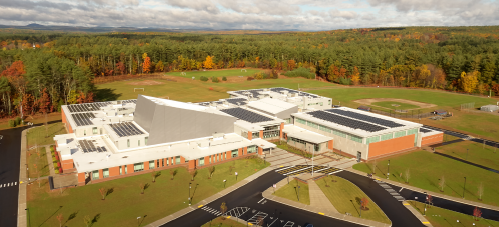
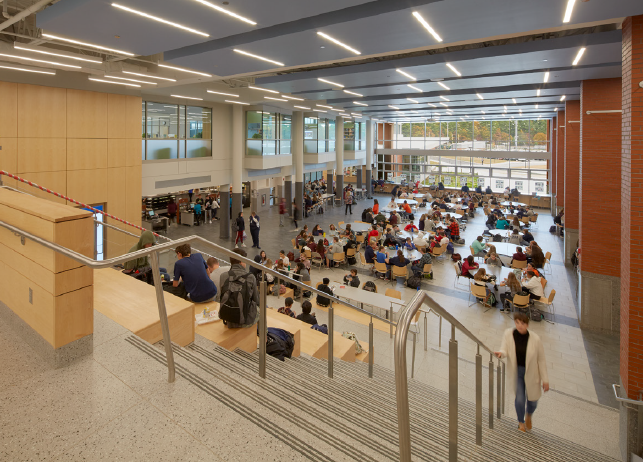
The North Middlesex Regional High School is designed for 870 students in grades 9-12. The design is adaptable to variations in educational programming and offers learning spaces for differentiated instruction, including outdoor learning spaces. The building is energy efficient and features two-story flexible academic pods.
Major Howard W. Beal Elementary School, Shrewsbury
Designed by Lamoreux Pagano Associates | Architects, Inc.
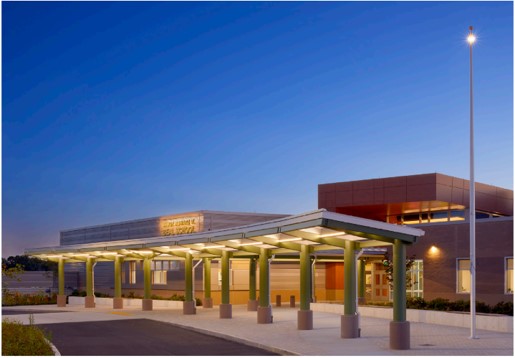
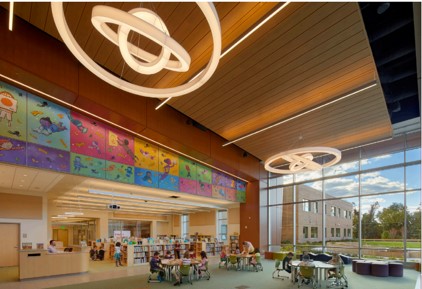
The Major Howard W. Beal Elementary School in Shrewsbury is designed for 790 students in grades K-4. The design features a variety of flexible learning spaces including breakout areas with sinks for project-based learning. The flexibility of the stage design also allows for teaching to occur while lunch is in session. This building is also a good model for sloping sites.
Sherwood Middle School, Shrewsbury
Designed by Lamoureux Pangano & Associates, Inc.
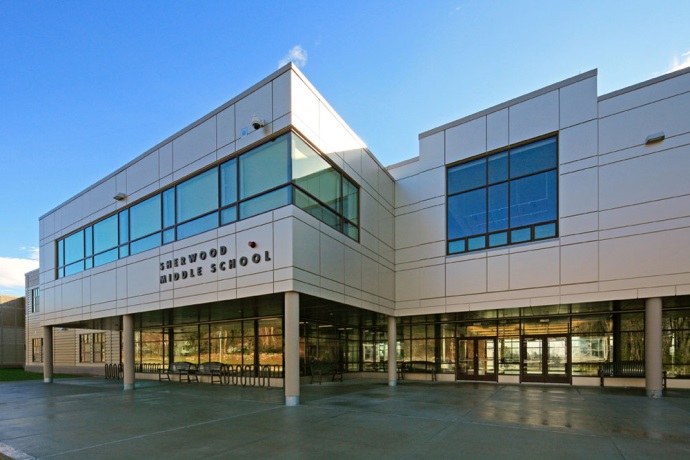
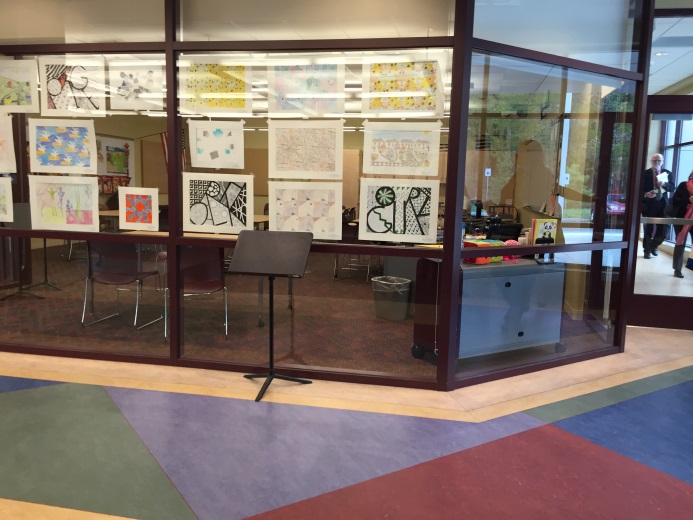
The Sherwood Middle School in Shrewsbury, MA is designed for 900 students in grades 5 and 6. This school has a clear circulation layout with a secure entrance. All of the classrooms have sinks and are adaptable. Modification for enrollment variances would be straightforward. This building is a good model for sloping sites.
Plains Elementary School, South Hadley
Designed by Jones Whitsett Architects, Inc.
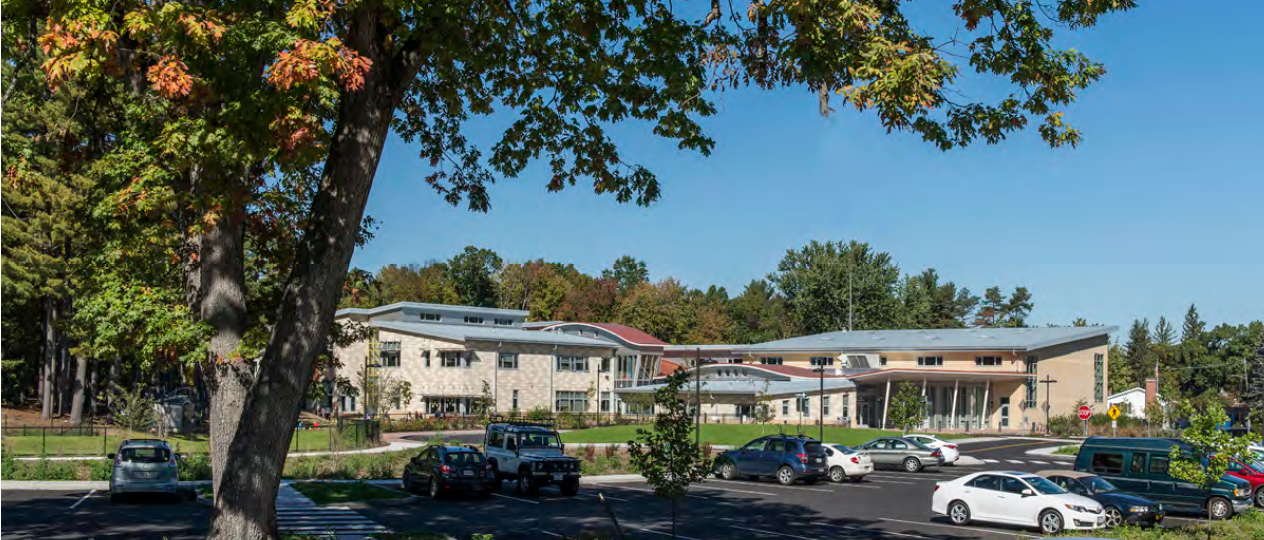
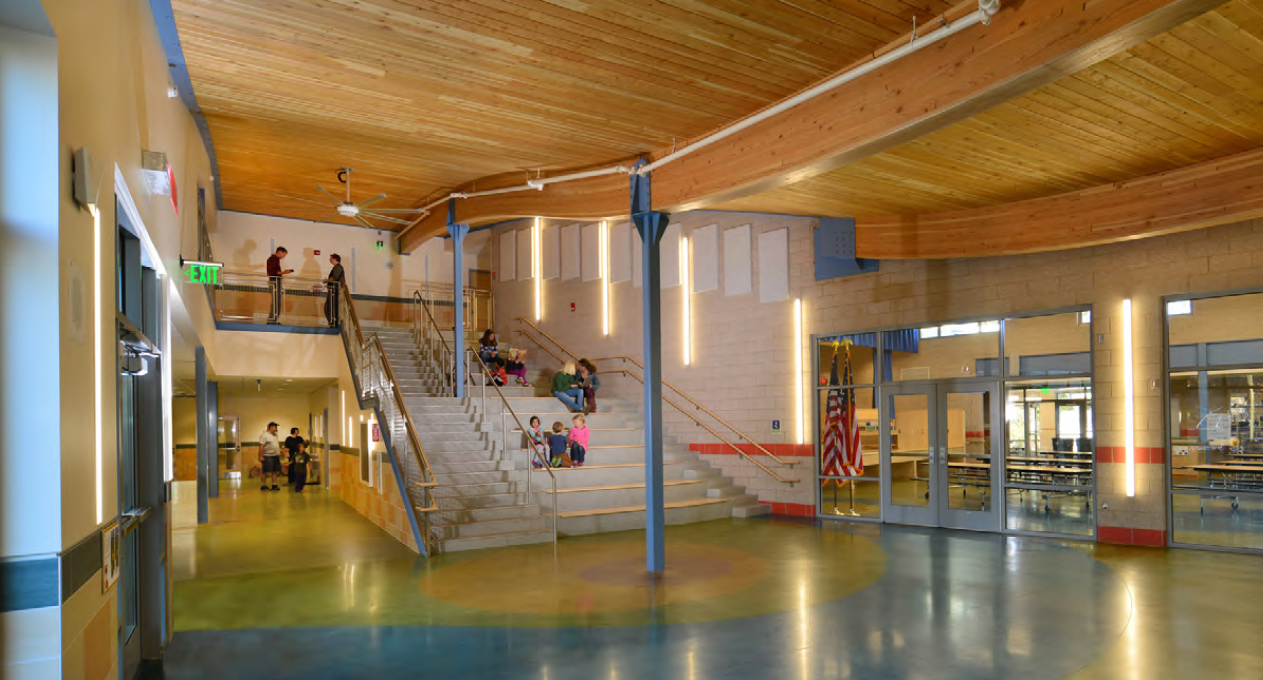
The Plains Elementary School in South Hadley is designed for 270 students in grades K-1 and includes Pre-Kindergarten. The design features a variety of differentiated learning spaces, a central learning stair, flexible academic neighborhoods with common areas for collaboration and ample natural light throughout.
James L. Mulcahey Elementary School, Taunton
Designed by Dore & Whittier Architects, Inc.
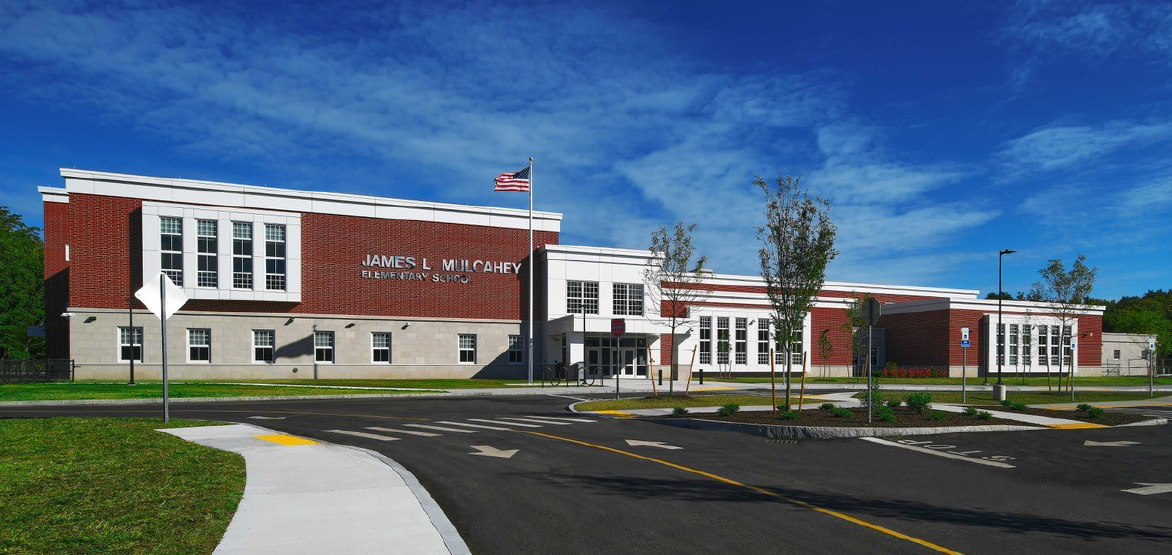
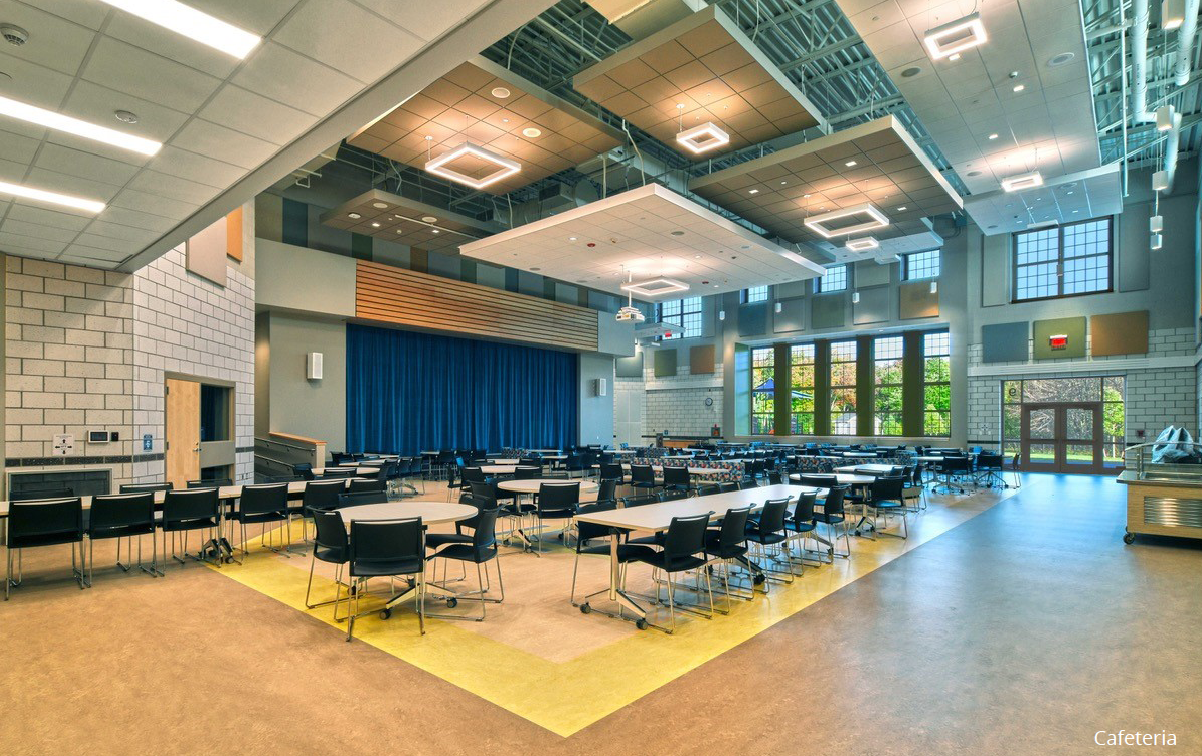
The James L. Mulcahey Elementary School in Taunton is designed for 735 students in grades K-4 and includes Pre-Kindergarten. This cost-effective building features multiple options for potential expansion and flexible classrooms. The gym and cafeteria are thoughtfully designed to serve a variety of uses including daily programming, community activities, performances, and professional development.
Uxbridge High School, Uxbridge
Designed by Raymond Design Associates
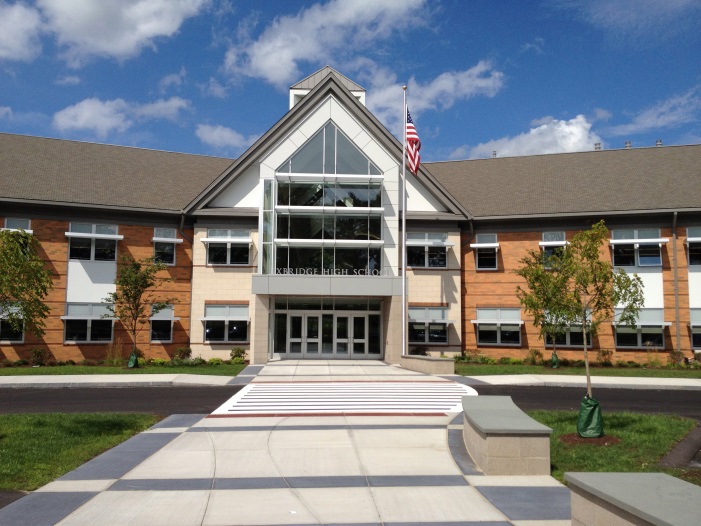
The Uxbridge High School serves 600 students in grades 9-12. This is a compact school with a variety of classroom sizes. A two story central corridor lobby serves as a "commons" gathering area that provides ample natural light and is thoughtfully arranged. The building includes a well-designed auditorium and stage. The flexibility of the school is enhanced with the use of a moveable partition in select classrooms.
Wareham Elementary School, Wareham
Designed by Mount Vernon Group Architects, Inc.
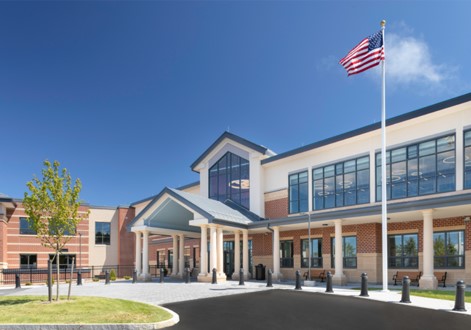
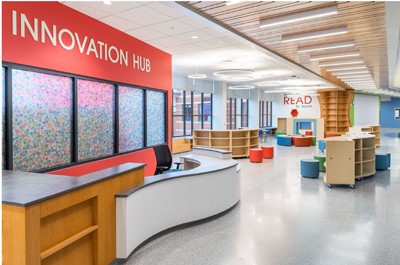
The Wareham Elementary School in Wareham is designed for 1,020 students in grades K-4 in addition to Pre-Kindergarten. This cost-effective building incorporates sustainable design features, ample natural light, STE spaces and a unique Innovation Hub/Media center for flexible use. The design also offers differentiated learning spaces and separation of the academic wings from the larger assembly spaces.
West Bridgewater Middle/High School, West Bridgewater
Designed by Flansburgh Architects
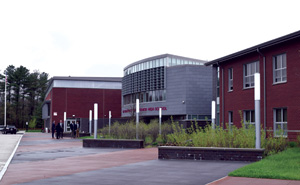
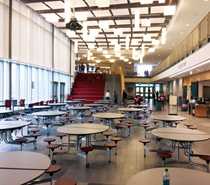
The West Bridgewater Middle/High School serves 625 students in grades 7-12. This cost effective building features highly utilized and flexible break out spaces and common areas, including a "Google" stair area for informal gathering. This school has a "looped" courtyard layout that brings in plenty of natural light. This building closely follows MSBA space guidelines.
Hurld-Wyman Elementary School, Woburn
Designed by DiNisco Design, Inc.
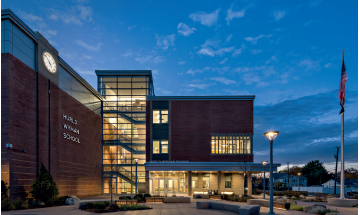
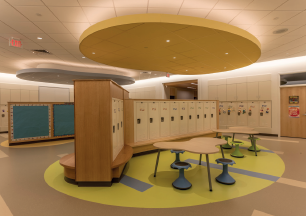
The Hurld-Wyman Elementary School in Woburn serves grades K-5 and is designed for 410 students. The compact design is adaptable across a variety of site conditions. The school also features a cafetorium that allows for large assemblies, flexible academic pods that can be reduced or expanded and project areas for small group instruction.